
Introduction
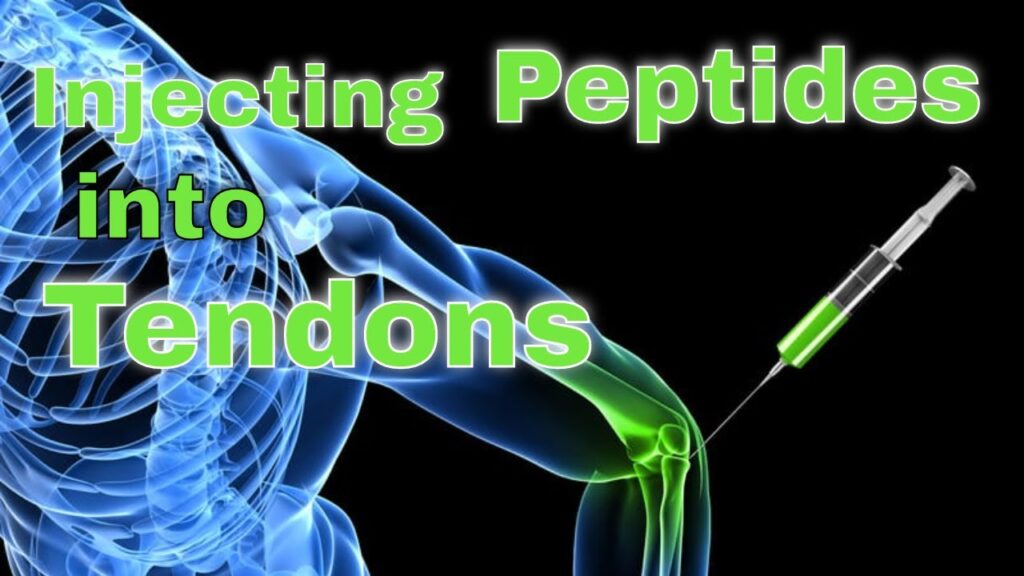
Peptides have gained attention in recent years for their potential role in cell signaling, tissue repair, and regeneration. While no approved clinical uses exist, preclinical research provides valuable insights into how peptides interact with biological systems.
⚠️ Note: The peptides discussed here are for research purposes only. Not intended for human or veterinary use.
Why Tissue Repair is a Research Focus
Damaged tissue from injury, surgery, or disease requires effective cellular repair. Scientists study peptides for their potential to support:
- Collagen synthesis in connective tissue.
- Cell proliferation and migration during healing.
- Angiogenesis (formation of new blood vessels).
- Inflammation regulation for balanced recovery.
Preclinical Models Used
- Cell culture models: interactions with fibroblasts, keratinocytes, or muscle cells.
- Animal models: wound closure, scarring, and tissue strength.
- Biochemical assays: effects on growth factors, cytokines, and signaling pathways.
Commonly Studied Peptides
- Collagen-related peptides – matrix structure research.
- Growth factor mimetic peptides – stimulate regenerative pathways.
- Anti-inflammatory peptides – analyzed for inflammation modulation.
- Antimicrobial peptides (AMPs) – studied in wound-healing environments.
👉 All remain in the research phase, with no clinical approval.
Mechanisms Under Investigation
- Collagen Synthesis & Structural Support – impact on fibroblast activity and connective tissue.
- Cell Migration & Proliferation – possible roles in activating repair cells.
- Angiogenesis (Blood Vessel Formation) – mimicking growth factors to support vascularization.
- Inflammation Regulation – peptides studied for their ability to balance inflammatory responses.

Challenges in Peptide ResearchStability: peptides degrade quickly in biological environments.
- Delivery methods: targeting peptides effectively remains complex.
- Reproducibility: results can vary across laboratories.
- Regulation: strict EU guidelines limit use to research purposes.
Compliance in Europe
Peptides must be labeled as:
- Not for human consumption.
- For laboratory/research use only.
- Not a drug, supplement, or cosmetic.
Future Directions
- Synthetic biology to design more stable sequences.
- Peptide scaffolds for regenerative research.
- Personalized peptide models tailored to specific tissues.
Conclusion
Preclinical research continues to uncover potential roles for peptides in tissue repair and regeneration. Their value lies in scientific exploration, not in approved clinical use.
⚠️ Disclaimer: For informational purposes only. No medical claims, no recommendation for consumption or therapeutic application.